How does custom coffee packaging improve shelf-life for specialty roasters?
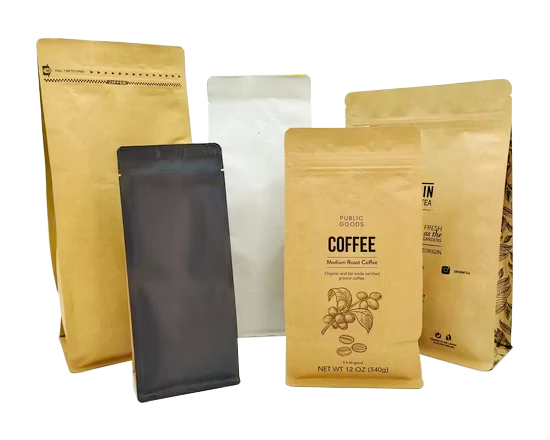
Custom coffee packaging helps specialty roasters extend freshness by controlling oxygen, moisture, light, and carbon dioxide release. High-barrier bags with oxygen transmission rates below 1 cm³/m²/day can slow aroma loss, while one-way valves maintain pressure balance after roasting. Studies from 2019–2023 show that properly designed packaging can preserve volatile compounds and sensory quality for 3–6 months, compared with much shorter periods for standard plastic bags.
Roasted coffee contains hundreds of aroma compounds that begin changing after production. Oxygen exposure accelerates oxidation of oils and aromatic molecules, causing lower sweetness, weaker fragrance, and stale flavors. A packaging study published in 2021 compared different storage materials and found that coffee stored in high-barrier structures retained significantly more volatile compounds after 12 weeks than coffee stored in low-barrier packaging. Reducing oxygen contact is one of the main ways specialty roasters maintain coffee quality after roasting.
Custom packaging allows roasters to select materials based on roast type, shipping distance, and expected storage time. Standard polyethylene bags often have oxygen transmission rates above 50 cm³/m²/day, while aluminum foil laminate structures can reach values below 0.1 cm³/m²/day. For premium single-origin coffee, this difference can affect aroma stability during retail storage periods of 90–180 days.
“A coffee package should protect the roasted beans from the environment while allowing controlled gas exchange after roasting.”
The first days after roasting are important because coffee releases carbon dioxide through degassing. Freshly roasted beans can release large amounts of CO₂ within 24–72 hours, creating pressure inside sealed packaging. One-way degassing valves allow gas to escape while limiting oxygen entry. In commercial testing, valve-equipped bags showed better package stability after 30 days compared with sealed bags without gas release systems.
Material selection also affects moisture control. Roasted coffee performs best when water activity remains around 0.2–0.4. Excess moisture can speed up chemical changes and reduce grinding consistency. Specialty roasters shipping coffee across regions often use multilayer films with low moisture vapor transmission rates to maintain bean condition during transportation periods of 30–90 days.
Different coffee styles require different packaging structures. Light roasted coffees usually contain delicate floral and fruit notes that are more sensitive to oxidation, while darker roasted beans have more exposed oils on the surface. A 2020 sensory evaluation involving multiple roast levels showed that packaging with stronger oxygen barriers helped maintain higher aroma scores during extended storage.
| Packaging component | Purpose | Typical performance |
|---|---|---|
| Aluminum barrier layer | Blocks oxygen and light | Oxygen transmission below 0.1 cm³/m²/day |
| PET outer layer | Provides strength and printing surface | Improves package durability |
| PE inner layer | Supports heat sealing | Maintains package closure |
| One-way valve | Releases CO₂ | Prevents swelling after roasting |
The appearance of packaging also influences how customers judge specialty coffee products. Research from 2022 involving more than 1,000 coffee consumers showed that package design, freshness information, and roast date visibility affected purchasing decisions. Custom printed coffee pouches allow roasters to display origin details, processing methods, tasting notes, and brewing recommendations while maintaining protective performance.
Many specialty brands use printed coffee pouches because they combine product protection with customized branding. These packages can include high-resolution printing, different sizes, valve options, and barrier structures designed for specific coffee products. Small-batch roasters producing seasonal coffees can order flexible quantities instead of using large standardized packaging runs.
Packaging technology also supports nitrogen flushing, which reduces oxygen inside the package before sealing. Nitrogen is an inert gas commonly used in food packaging because it does not react with coffee compounds. In controlled storage tests, nitrogen-flushed packages showed lower oxygen levels immediately after sealing, helping maintain aroma compounds during longer shelf periods.
“Lower oxygen concentration inside the package usually results in slower flavor deterioration during storage.”
Shelf-life testing helps roasters choose suitable packaging instead of relying only on estimated dates. Common measurements include oxygen concentration, moisture content, carbon dioxide release, and sensory evaluation. A 90-day or 180-day storage test can show whether a package maintains acceptable flavor characteristics under normal retail conditions.
Custom packaging is also connected with sustainability choices. Many specialty coffee companies are exploring recyclable mono-material films and reduced-material designs. However, packaging must still provide enough protection because spoiled coffee creates additional waste. A 2023 lifecycle assessment showed that preventing product loss can contribute significantly to reducing the overall environmental impact of packaged foods.
Supply conditions influence packaging requirements as well. Coffee shipped internationally may experience temperature changes, humidity differences, and long storage periods. A roaster sending products from South America to European or North American markets may need packaging designed for several months of storage. Thicker barrier layers, stronger seals, and reliable valves help maintain product consistency throughout distribution.
Custom packaging gives specialty roasters more control over freshness, appearance, and customer experience. By combining oxygen protection, moisture resistance, CO₂ management, and suitable materials, packaging can extend the usable quality period of roasted coffee. For brands selling premium beans, the package plays an important role in keeping the original aroma and flavor profile available when customers open the bag weeks or months after roasting.