How Can JEWSHIN Packaging Machinery Help Build a More Efficient Packaging Line?
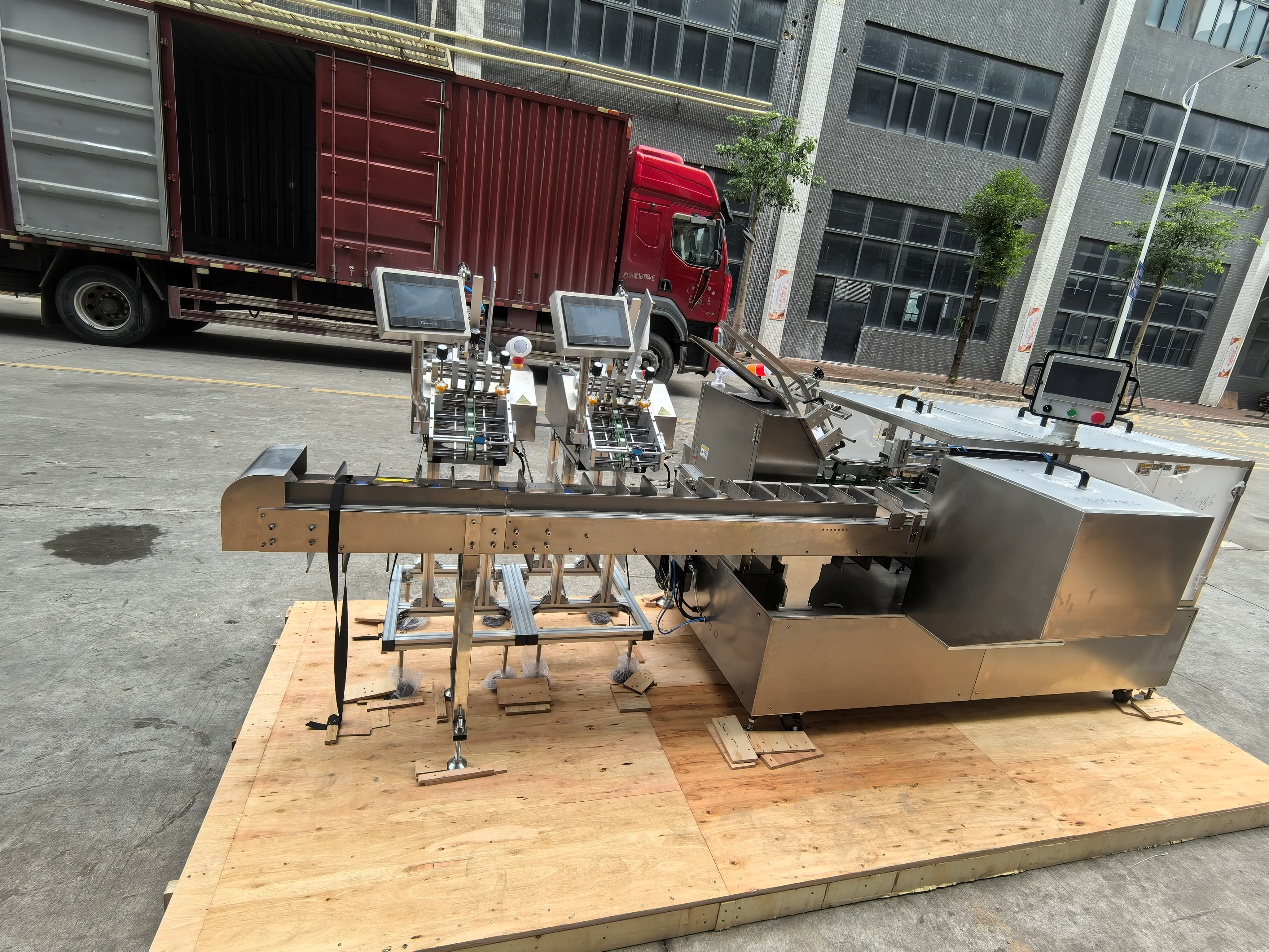
JEWSHIN Packaging Machinery helps manufacturers improve packaging line efficiency by combining automated filling, sealing, inspection, and control technologies into a coordinated production system. With better speed control, reduced material waste, and flexible machine configurations, companies can increase output consistency, shorten downtime, and support production targets across food, beverage, pharmaceutical, and consumer goods industries.
Modern packaging operations require equipment that can maintain stable production while handling changing product demands. In many factories, packaging processes account for a large part of total production time because every package must pass through multiple stages, including feeding, filling, sealing, labeling, inspection, and final handling. A well-designed packaging line can improve production efficiency by 20%–50% compared with manual or semi-automatic systems, especially when operating continuously for 16–24 hours per day.
Manufacturers using automated packaging systems often focus on three measurable results: production speed, packaging accuracy, and equipment availability. A production line running at 60 packages per minute with 98% accuracy can provide significantly higher daily output than a slower system requiring frequent manual adjustments.
“A packaging line performs better when each machine works together instead of operating as separate production units.”
This approach is reflected in the design philosophy of JEWSHIN Packaging Machinery, which provides packaging equipment solutions designed for different industrial applications. By integrating mechanical precision with automated control systems, packaging lines can maintain stable operation while reducing unnecessary manual adjustments.
Automation improves packaging efficiency by replacing repetitive tasks with controlled mechanical processes. Manual packaging operations often experience differences between operators, which can affect filling levels, sealing strength, and product appearance. Automated equipment maintains consistent settings throughout production, helping manufacturers achieve more uniform packaging results.
For example, filling accuracy is important in industries where products are measured by weight or volume. A small filling error of only 1% can create significant material losses when production reaches hundreds of thousands of units annually. Automated filling systems help maintain accurate dosing, reducing excess product use and improving production control.
| Production factor | Traditional process | Automated packaging line |
|---|---|---|
| Filling consistency | Depends on operator accuracy | Controlled by machine parameters |
| Production speed | Limited by manual handling | Continuous high-speed operation |
| Adjustment time | Longer changeovers | Faster parameter adjustment |
| Quality inspection | Mainly manual checking | Integrated monitoring options |
Higher accuracy also supports better material management. Packaging materials such as films, containers, caps, and labels represent a considerable part of manufacturing costs. When machines control positioning and sealing processes precisely, companies can reduce unnecessary material consumption by approximately 5%–15% depending on product type and packaging format.
The improvement in material usage is connected with machine structure and control accuracy. Packaging equipment must coordinate multiple movements within very short time intervals. A filling station, sealing unit, and conveyor system need to operate with precise timing to prevent delays and product errors.
Modern packaging machinery uses sensors, programmable controls, and automated adjustment systems to maintain this coordination. Since the introduction of advanced industrial automation technologies in the 2010s, many manufacturers have increased packaging line availability by improving machine communication and reducing manual intervention.
“Stable timing between filling, sealing, and product transfer allows factories to maintain higher output without frequent interruptions.”
Flexibility is another factor influencing packaging line performance. Consumer markets require manufacturers to produce different package sizes, materials, and product variations. A packaging system designed only for one format may require extended setup periods whenever production changes.
Flexible machinery allows operators to adjust parameters such as filling volume, sealing temperature, conveyor speed, and package dimensions. In factories producing multiple product types, reducing changeover time from 60 minutes to 15 minutes can create several additional production hours each week.
For example, food manufacturers may need to switch between different container sizes, while pharmaceutical companies may require strict packaging accuracy for different product categories. A flexible packaging system allows manufacturers to respond faster without installing separate machines for every product.
Equipment reliability also affects the efficiency of the entire production line. A single machine failure can interrupt upstream and downstream processes, creating production delays. Industrial packaging equipment is commonly expected to operate thousands of hours annually, making mechanical stability and maintenance design important factors.
Manufacturers usually evaluate equipment performance through indicators such as uptime percentage, maintenance frequency, and production consistency. Packaging systems achieving more than 90% operational availability can provide more predictable production schedules compared with equipment requiring frequent manual servicing.
Regular maintenance design helps extend equipment service life. Accessible components, standardized parts, and clear control systems allow technicians to complete inspections and adjustments more efficiently. Reducing maintenance time from several hours to less than one hour per service task can improve overall factory productivity.
Energy consumption is also considered when upgrading packaging equipment. Production facilities operating multiple machines throughout the year need systems that provide high output without unnecessary energy use. Efficient motors, optimized mechanical structures, and improved control programs help reduce electricity consumption during operation.
A packaging machine operating continuously for 20 hours per day has a different energy profile compared with equipment used only occasionally. Even a 10% improvement in energy efficiency can produce measurable savings over several years, especially in large manufacturing facilities with multiple packaging lines.
Digital control systems provide additional production information for operators. Modern packaging equipment can collect operating data related to speed, output quantity, machine status, and maintenance requirements. This information helps factories adjust production settings and maintain stable performance.
For example, if a sealing unit begins operating outside its normal temperature range, sensors can identify the change before packaging quality is affected. Early adjustments help maintain consistent product appearance and reduce rejected packages.
“Data-based monitoring allows operators to manage packaging processes with clearer production information.”
Quality control is another area where automated packaging lines provide advantages. Many industries require strict packaging standards because products must meet customer expectations and regulatory requirements. Integrated inspection systems can check package position, sealing condition, label placement, and other production details.
In pharmaceutical and food industries, packaging accuracy is especially important. A production line processing 100,000 packages per day requires reliable inspection methods to maintain consistent quality across the entire batch. Automated inspection reduces dependence on visual checking alone and improves production reliability.
The overall design of a packaging line must also consider future production growth. Companies often expand product categories or increase output targets after several years. Equipment that supports modular upgrades can adapt more easily than a fixed production system.
A scalable packaging solution allows manufacturers to add new functions, increase speed, or modify packaging formats without completely replacing existing equipment. This approach can reduce equipment investment pressure and support long-term production planning.
JEWSHIN Packaging Machinery supports manufacturers that need packaging systems designed around specific production requirements. By combining automation, precision control, flexible operation, and reliable mechanical structures, packaging lines can achieve improved productivity across different industries.
“Efficient packaging depends on the cooperation of speed, accuracy, flexibility, and stable machine performance.”
As manufacturing standards continue to develop, companies require packaging equipment that can maintain consistent output while controlling operating costs. Automated packaging solutions provide manufacturers with improved production efficiency, better material usage, and more stable daily operations.